

In modern commercial complexes and public transportation systems, escalators have become essential infrastructure with high usage frequency. Within the entire system, the handrail belt not only provides support and guidance for passengers, but also plays a direct role in operational safety and user experience.
A stable escalator system relies not only on proper component matching, but also on well-planned selection and ongoing maintenance of the handrail belt.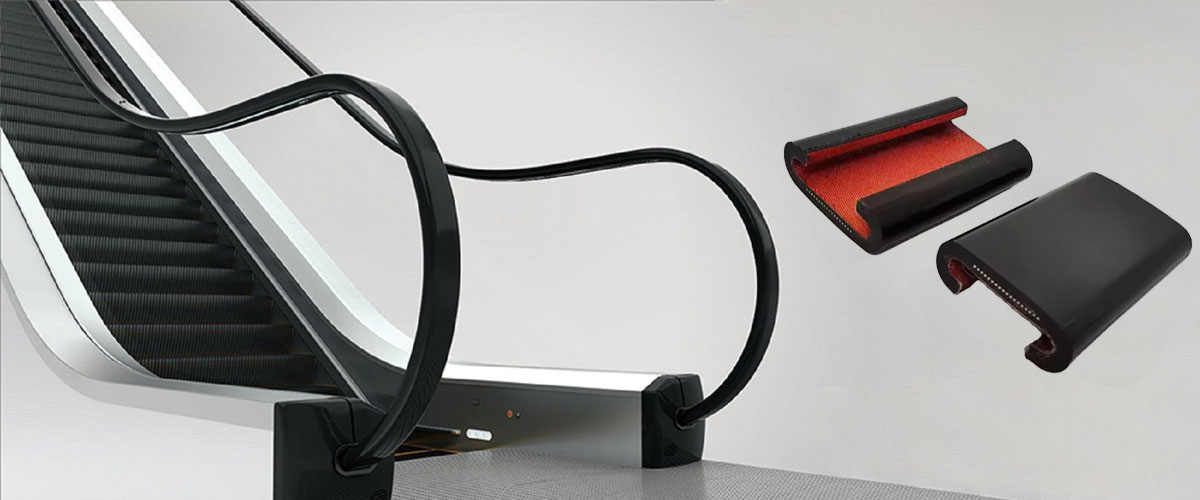
The Role of the Handrail Belt in Escalator Systems
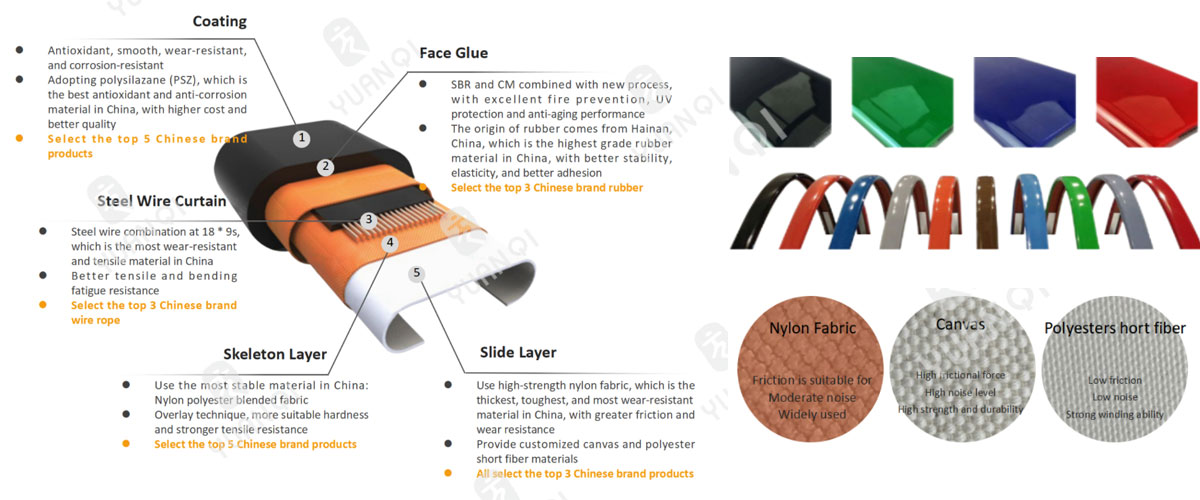
The handrail belt operates in synchronization with the steps, offering continuous and stable support for passengers. This requires the belt to have strong wear resistance, reliable tensile strength, and a stable friction coefficient under varying conditions.
Once the performance of the handrail belt declines, it may lead to slipping, vibration, or even safety risks. For this reason, selecting the right type at the early stage of a project is essential.
Common Types of Handrail Belts
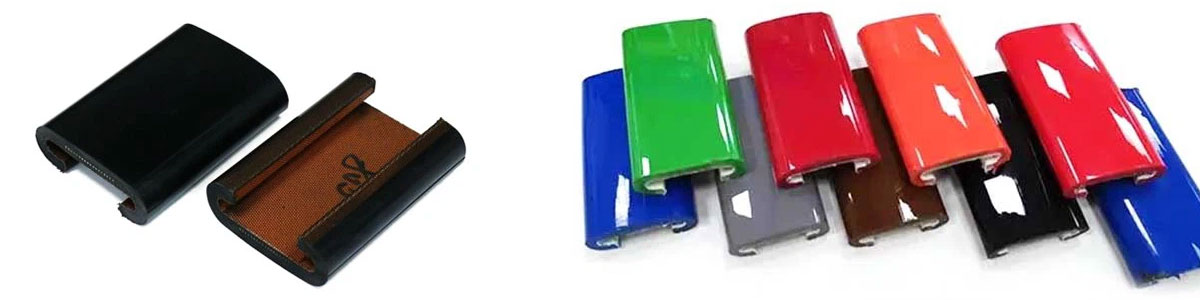
In today’s market, the most widely used handrail belts are made from rubber and polyurethane (PU), each offering distinct performance characteristics.
Rubber handrail belts are known for their flexibility and durability. They maintain stable operation under demanding conditions and provide reliable anti-slip performance, making them suitable for heavy-duty applications.
PU handrail belts, on the other hand, offer advantages in appearance and cleanliness. Their smoother surface resists dirt accumulation and is easier to maintain. In addition, PU materials help maintain structural stability over long-term operation and contribute to smoother performance.
How to Select the Right Handrail Belt
In practical applications, the selection should be based on the operating environment and usage intensity.
For high-traffic locations such as metro stations, airports, and transportation hubs, durability and consistent performance are critical, making rubber handrail belts a common choice.
In commercial environments such as shopping malls and office buildings, where aesthetics and cleanliness are also important, PU handrail belts are often preferred.
Choosing the appropriate material helps improve operational efficiency while reducing maintenance requirements over time.
Common Issues in Long-Term Operation
With extended use, handrail belts may experience performance degradation due to environmental and operational factors.
Surface wear and aging are among the most common issues. Exposure to UV light, temperature fluctuations, and continuous friction can accelerate material deterioration, leading to cracking or hardening.
Slippage and misalignment are also frequently observed in the field. Slippage is often caused by contamination or surface wear, while misalignment may result from improper installation or uneven component wear.
In some cases, abnormal noise may occur during operation. This is often an indication of internal wear or issues within the guiding system and should be addressed promptly.
The Importance of Routine Maintenance
Preventive maintenance is more effective than reactive repairs. Regular inspections help identify early signs of wear, such as minor cracks or unstable movement.
Addressing these issues at an early stage can prevent more serious failures, reducing downtime and maintenance costs.
When the handrail belt reaches the end of its service life or suffers irreversible damage, timely replacement is necessary to ensure continued safe operation.
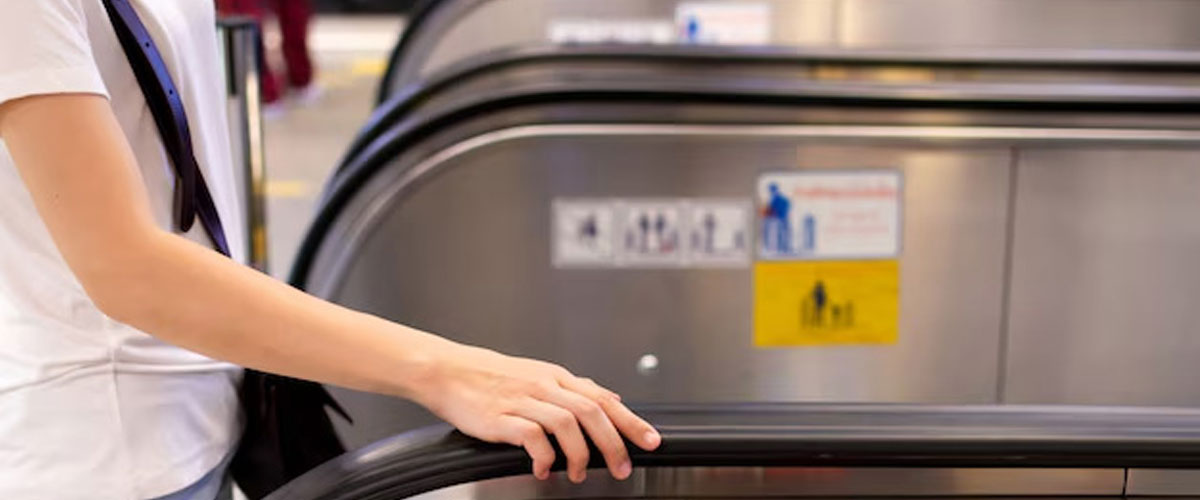
Although the escalator handrail belt is considered a wear component, its impact on overall system performance is significant. From selection to daily operation and maintenance, each stage influences reliability and service life.
In real-world projects, choosing the right material based on application conditions, combined with a structured maintenance approach, is key to achieving safe, efficient, and long-term escalator operation.
Post time: Apr-17-2026