

News
-
Thyssen Escalator and Moving Walk Fault Codes: E1–E8 and AA Explained
Thyssen escalators and moving walks are equipped with monitoring systems designed to detect abnormal operating conditions. When a fault occurs, the control system displays a corresponding error code to help maintenance technicians identify the affected system or component. Understanding these fau...Read more -
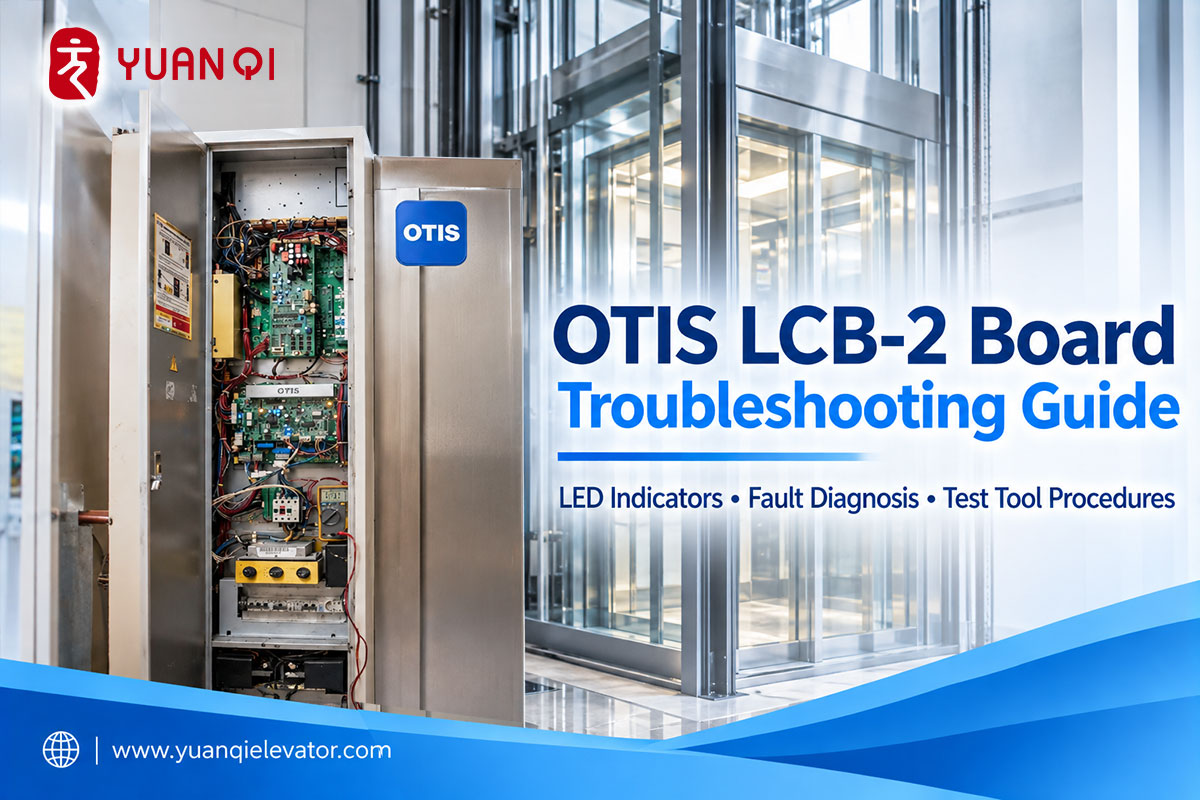
OTIS LCB-2 Board Troubleshooting Guide: LED Indicators, Fault Diagnosis and Test Tool Procedures
Diagnosis and Test Tool Procedures The OTIS LCB-2 board plays an important role in elevator control and fault monitoring. When an elevator stops operating normally, the LED indicators on the LCB-2 board and diagnostic information from the Test Tool (TT) can help maintenance technicians identify a...Read more -
KONE Escalator Troubleshooting Guide: 13 Common Faults and Solutions
KONE escalators rely on multiple electrical, mechanical, and safety monitoring systems to maintain stable operation. When an abnormal condition occurs, the escalator may stop or trigger a protective function to prevent further operation. Understanding the fault symptoms and knowing which componen...Read more -
Monarch Escalator Fault Codes: Err1–Err6 Troubleshooting Guide
Monarch escalator controllers monitor operating speed, direction, stopping distance, and handrail speed to help identify abnormal operating conditions. When a fault occurs, the controller displays a corresponding error code to indicate the detected issue. This guide explains six common Monarch es...Read more -
OTIS GOEC Escalator Fault Codes Explained – Part 3
Accurate fault identification is essential when troubleshooting an OTIS GOEC escalator. The Service Tool and Operation / Control Panel provide diagnostic information that helps maintenance technicians identify which safety circuit or mechanical monitoring device has been activated. In this Part 3...Read more -
OTIS GOEC Escalator Fault Codes: Causes and Troubleshooting Guide Part 2
Understanding OTIS GOEC escalator fault codes helps maintenance technicians identify abnormal operating conditions and narrow down the possible causes. The Service Tool and Operation / Control Panel display fault information that can guide further inspection of the electrical, mechanical, and saf...Read more -
OTIS GOEC Escalator Fault Codes: Causes and Troubleshooting Guide Part 1
The OTIS GOEC escalator control system monitors a range of safety devices, electrical signals and mechanical operating conditions. When an abnormal condition is detected, the system may stop the escalator and display a fault message through the Service Tool or Operation / Control Panel. Understan...Read more -
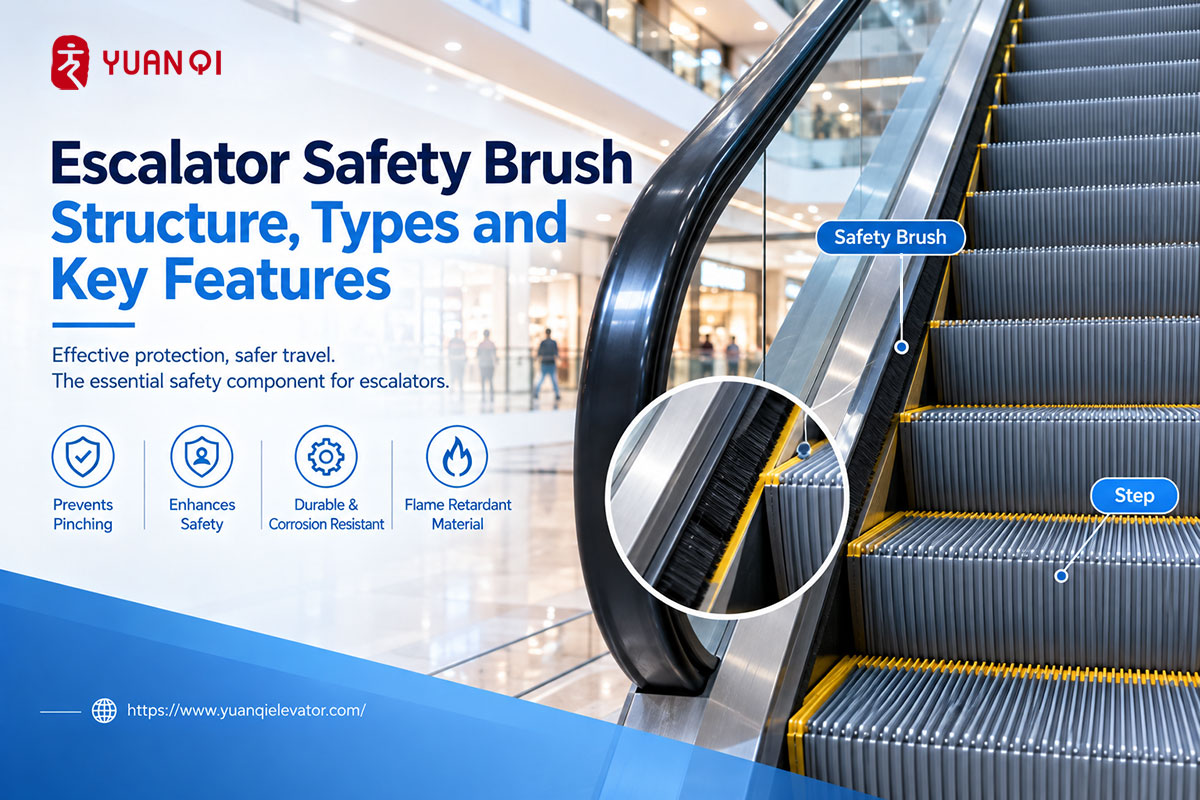
Escalator Safety Brushes: Structure, Types and Key Features
What Is an Escalator Safety Brush? An escalator safety brush, also known as a skirt deflector, is installed along the sides of an escalator near the gap between the steps and the skirt panels. It helps discourage passengers from bringing shoes, clothing or other objects into contact with this gap...Read more -
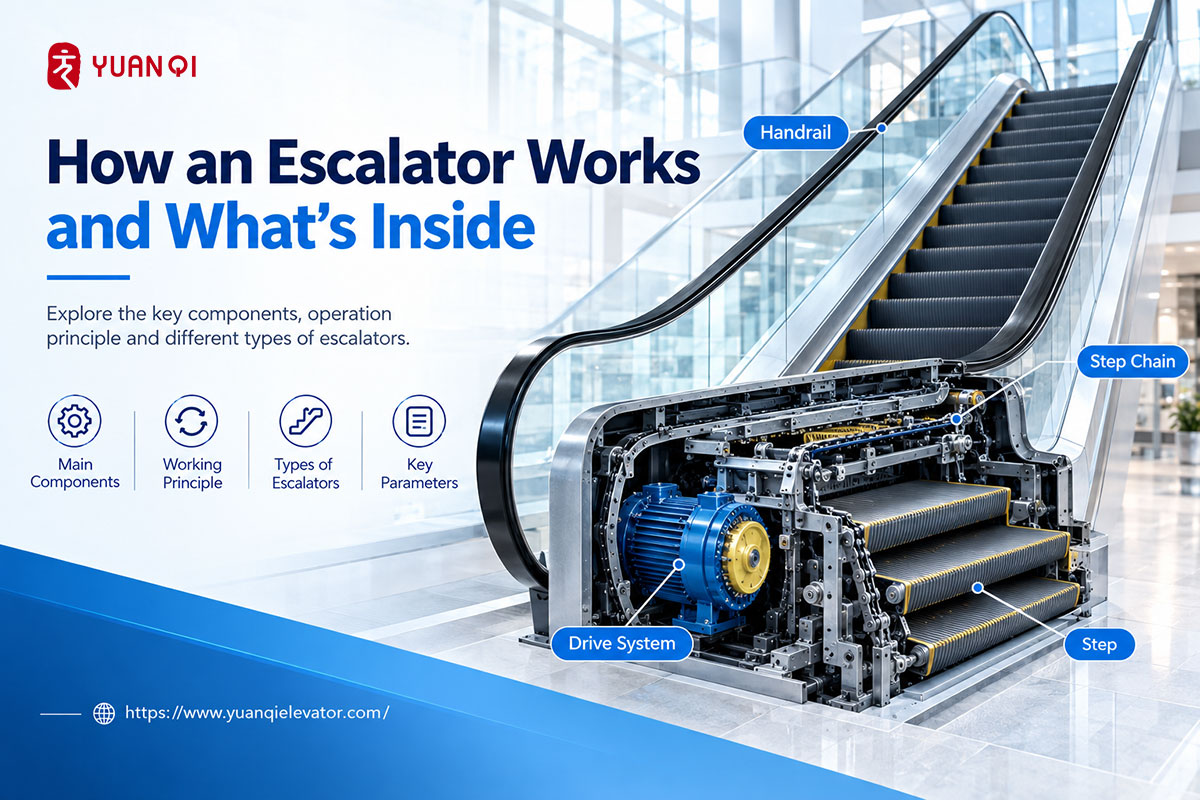
How an Escalator Works: Internal Structure, Main Components and Operating Principles
Understanding Escalator Structure and Operation An escalator is a continuously operating transportation system designed to move passengers between different floor levels. It combines a chain-driven step system with moving handrails, all supported by a structural framework extending between floors...Read more -
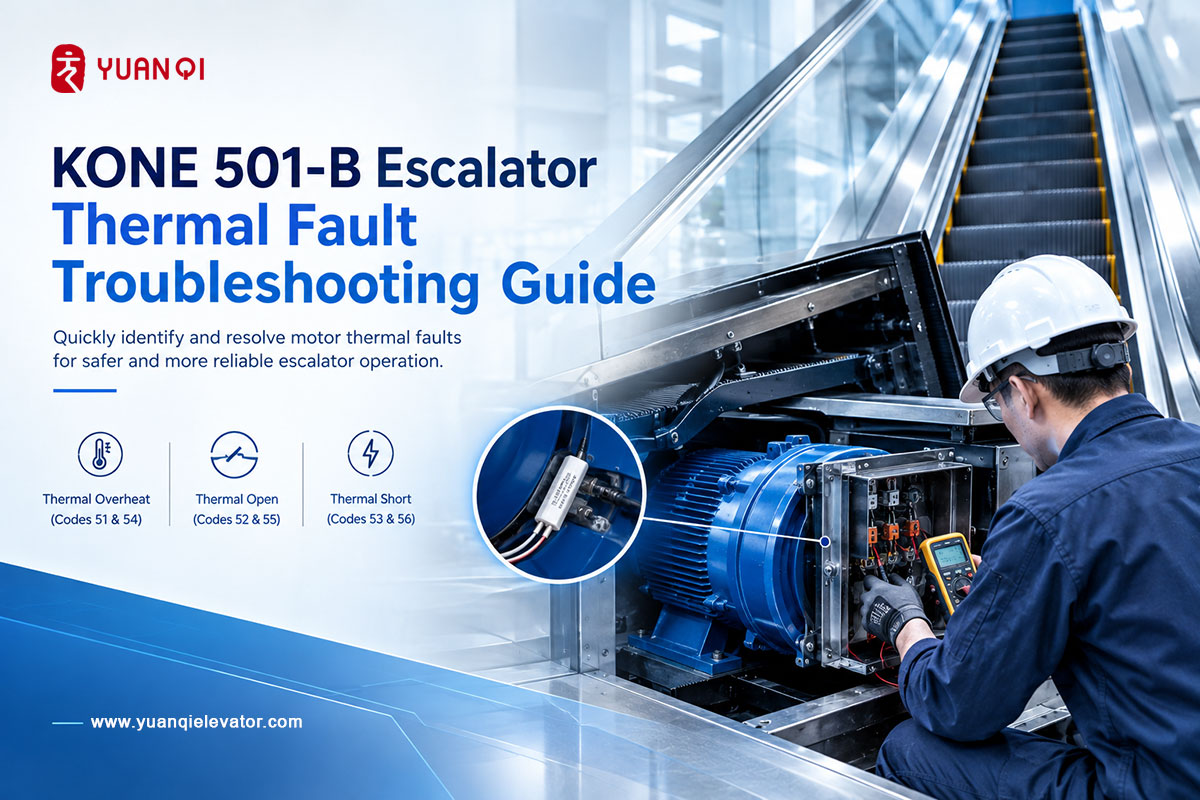
KONE 501-B Escalator Thermal Fault Troubleshooting Guide
On KONE 501-B escalators, thermal protection faults can be associated with motor temperature or the motor thermistor circuit. Error codes 51–56 cover overheating, interruption, and short-circuit conditions involving Motor 1 and Motor 2. Identifying the specific fault code helps maintenance person...Read more -
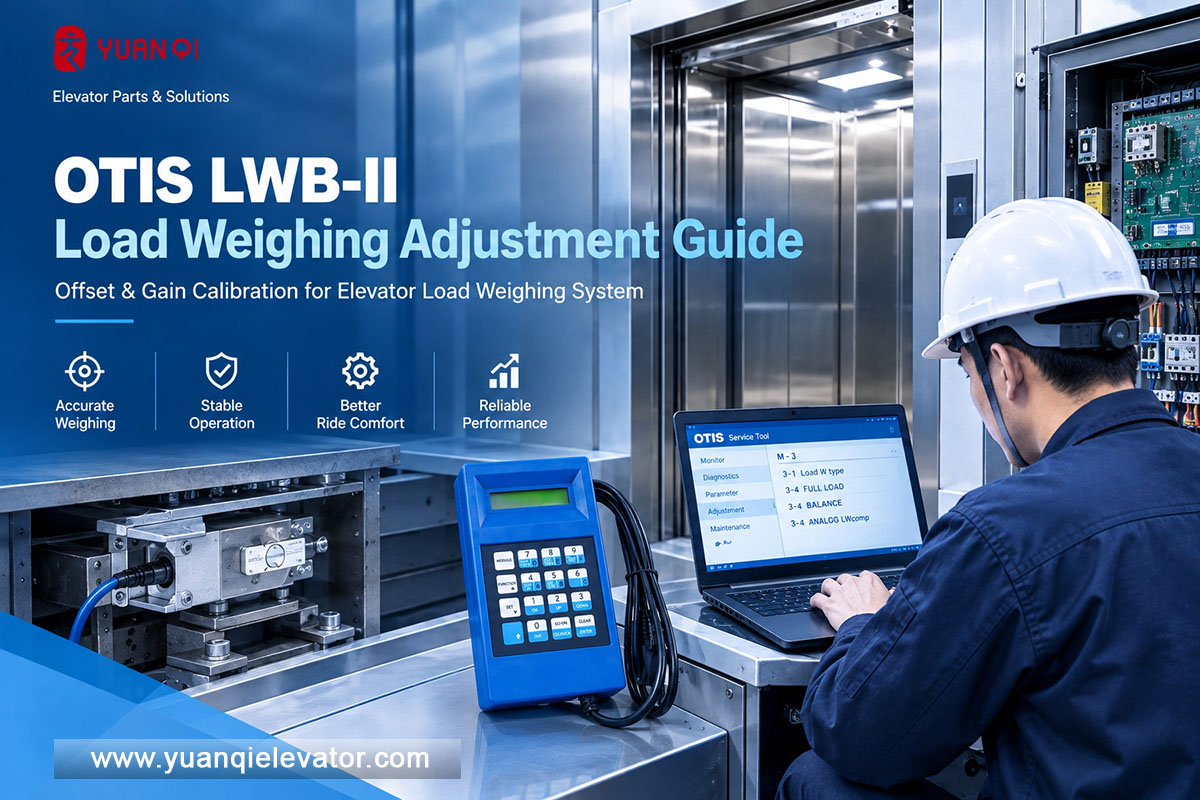
OTIS LWB-II Load Weighing Adjustment and Calibration Guide
Accurate load weighing adjustment is an important part of elevator commissioning. For an OTIS elevator, an inaccurate load weighing system can affect elevator starting and stopping performance and may influence overall ride comfort. The load weighing system provides load feedback to the OTIS VVVF...Read more -
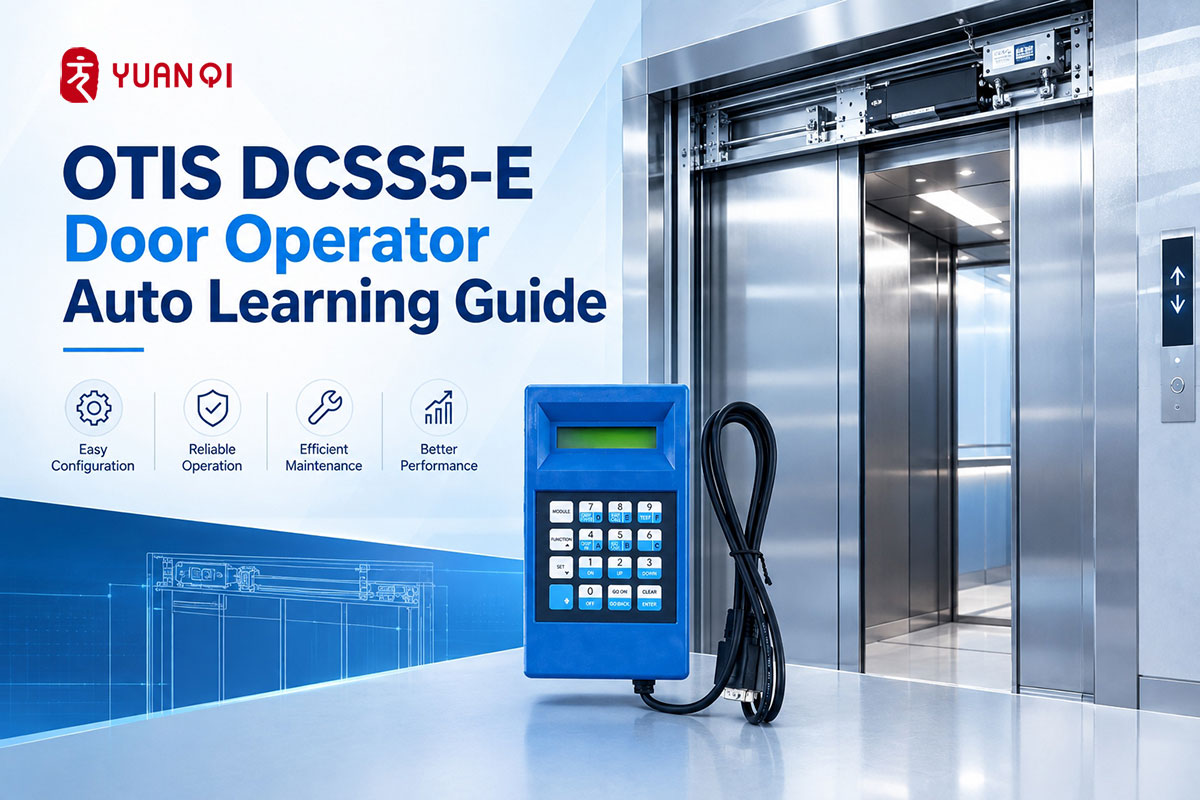
OTIS DCSS5-E Door Operator Auto-Learn Procedure
The OTIS DCSS5-E door operator requires an auto-learning process when commissioning or adjusting the door system. Using the TT service tool, technicians can access the door operator setup menu, select the appropriate door configuration, and complete the automatic learning process. The correct sel...Read more