

As energy efficiency standards continue to rise across commercial facilities and public transportation systems, more building owners are paying closer attention to the operating costs of escalators. Traditional escalators that run continuously at full speed throughout the day are gradually being replaced or upgraded with intelligent energy-saving control systems.
In recent years, variable frequency drive (VFD) modernization has become one of the most widely adopted solutions for improving escalator efficiency while extending equipment service life.
Traditional Escalator Systems Face Increasing Operating Pressure
Conventional escalators in shopping malls, airports, metro stations, hotels, and office buildings are typically designed to operate continuously from opening to closing hours. Regardless of passenger traffic, the escalator remains at rated speed for long periods of time.
Although this operating method ensures availability, it also creates several common problems.
High Energy Consumption
Continuous operation at full speed leads to unnecessary electricity usage during low-traffic periods. In facilities where passenger flow fluctuates significantly throughout the day, escalators may consume large amounts of energy while carrying few passengers.
For large commercial projects with multiple escalators, long-term electricity costs can become substantial.
Increased Mechanical Wear
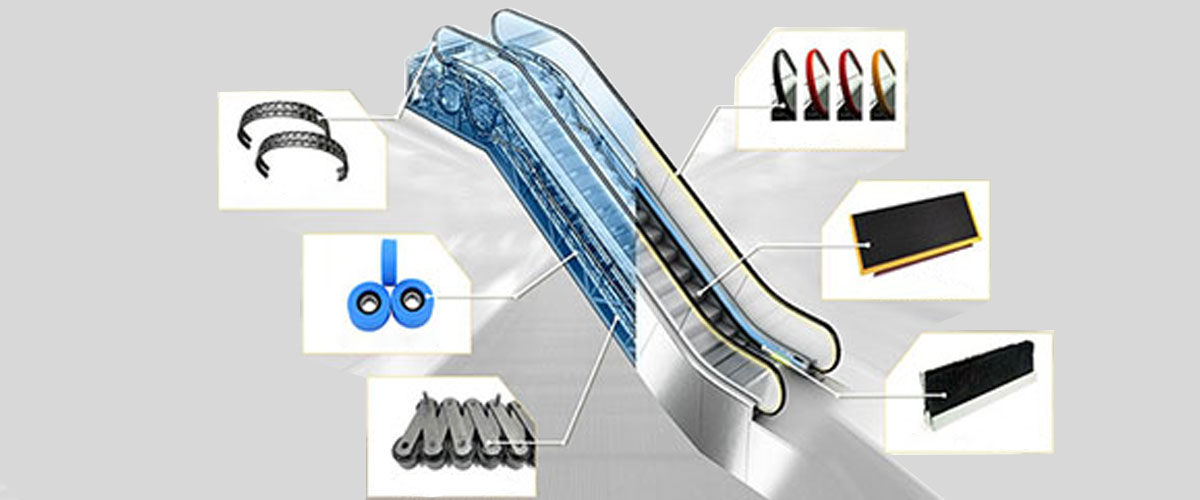
Extended high-speed operation places continuous stress on mechanical components such as:
- Step chains
- Handrails
- Comb plates
- Drive motors
- Gear reducers
- Escalator steps
Over time, these components experience accelerated wear, increasing maintenance frequency and shortening overall equipment lifespan.
Higher Maintenance Costs
As operating hours increase, the replacement cycle for wearing parts becomes shorter. Constant operation also raises internal temperatures and mechanical fatigue, increasing the possibility of unexpected downtime and service interruptions.
Escalator Modernization Focuses on Both Efficiency and Safety
Unlike ordinary electrical equipment, escalators belong to the category of special transportation equipment and must comply with strict operational safety standards.
An effective energy-saving upgrade must not only reduce power consumption, but also ensure:
- Smooth acceleration and deceleration
- Stable low-speed operation
- Reliable passenger detection
- Clear operating direction indication
- Safe inspection and maintenance functions
- Compliance with applicable safety requirements
For this reason, intelligent control technology has become the preferred modernization approach for many existing escalators.
Why VFD Technology Is Becoming the Preferred Solution
Several escalator energy-saving methods have been introduced over the years, including automatic stop-start systems, star-delta ECO operation, and soft-start motor control.
Among these technologies, VFD control offers the most balanced performance in terms of energy savings, passenger comfort, and equipment protection.
Intelligent Speed Adjustment
After modernization, the escalator no longer operates continuously at full speed.
When no passengers are detected, the system automatically reduces escalator speed to approximately 20% of rated speed, allowing the escalator to remain in low-speed standby mode.
Once sensors detect approaching passengers, the escalator smoothly accelerates back to normal operating speed.
This operating method avoids frequent stopping and restarting while significantly reducing unnecessary energy consumption.
Typical Configuration of a VFD Escalator Upgrade
A standard modernization solution generally includes:
- Elevator-grade vector VFD
- PLC intelligent controller
- Photoelectric passenger sensors
- Relays and contactors
- Independent auxiliary control cabinet
The upgraded system works together with the original escalator safety circuit, ensuring operational reliability while minimizing modification to the existing mechanical structure.
Key Benefits After Modernization
Reduced Electricity Consumption
Low-speed standby operation significantly lowers motor power usage during idle periods. Compared with traditional constant-speed operation, overall energy savings can be substantial.
Lower Mechanical Wear
Reduced operating speed during low passenger traffic helps minimize wear on chains, motors, steps, and transmission systems, extending the service life of critical components.
Improved Passenger Experience
VFD control provides smoother acceleration and deceleration, reducing vibration and improving ride comfort.
Easier Maintenance Management
The PLC and VFD combination improves system monitoring and operational stability, helping maintenance teams reduce unexpected failures and downtime.
Growing Demand for Escalator Retrofit Projects
As more buildings seek to reduce operational costs and improve sustainability, escalator retrofit projects are becoming increasingly common in commercial and public infrastructure applications.
Compared with complete equipment replacement, VFD modernization provides a more cost-effective approach while improving efficiency, reliability, and long-term operating performance.
For facilities with variable passenger traffic, intelligent escalator modernization is quickly becoming an important part of modern building energy management strategies.
Post time: May-09-2026